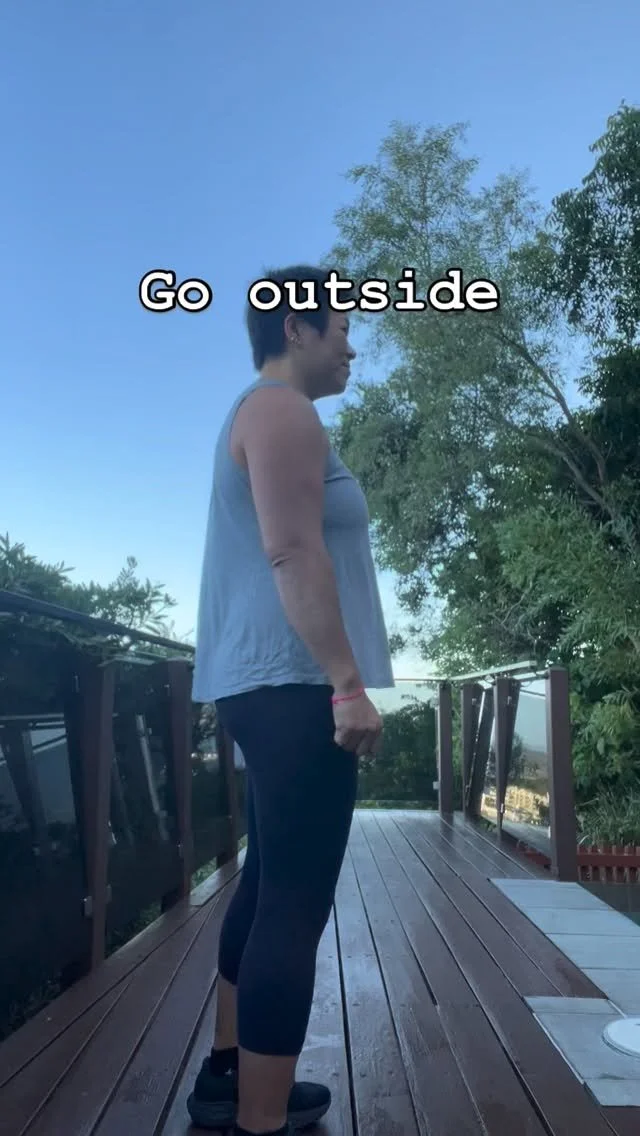

Level 3 - Embody the Tao in Everyday Life (50 hours)
50 hours
Take the practice beyond the training hall.
Level 3 invites Qi Gong to move beyond something you practice and become something you live. Building on the foundations of Level 1 and the internal cultivation of Level 2, we now explore how the principles of Qi Gong, Traditional Chinese Medicine, Taoism and mindfulness can guide the way we move through everyday life.
You’ll deepen your understanding of the Five Elements and learn to recognize the rhythms of both the outer seasons of nature and your own inner seasons. Rather than always trying to maintain the same energy, you’ll explore when to expand, when to conserve, when to act and when to rest. The emphasis also begins to shift from cultivating Qi to embodying the qualities of the practice. How do we remain rooted when life becomes difficult? How do we soften without collapsing? How do we respond rather than react? And how does our own way of living influence the way we teach?
Level 3 is an exploration of these questions through Qi Gong, Tai Chi, meditation, mindfulness and Taoist philosophy.
From Form to Feeling
In Levels 1 and 2, much of the learning is concerned with understanding movement, structure, rooting, connection and Qi. Level 3 asks you to listen more deeply. Partner sensing and Push Hands become laboratories for this exploration. Rather than anticipating or imposing, you begin developing the qualities of listening, following and neutralizing. The same principles can then be explored beyond Push Hands.
Can we listen before responding?
Can we remain rooted without becoming rigid?
Can we adapt without losing our centre?
Can we meet change without immediately resisting it?
These are internal arts principles, but they are also practices for everyday life.
What You’ll Explore
Living the Tao and bringing the principles of Qi Gong into everyday life
Taoism as an embodied philosophy rather than something understood only intellectually
Wu Wei — effortless action — and learning when to act, when to soften and when to allow
Yin - Yang as changing qualities within our bodies, relationships, practice and daily lives
The Five Elements — Wood, Fire, Earth, Metal and Water — and their relationships with seasons, organs, emotions and qualities of Qi
Understanding the outer seasons of nature and recognizing our own inner seasons
How seasonal changes can influence energy, movement, rest and practice
Developing greater sensitivity to what your body and Qi need rather than always following a fixed practice
Sequencing Qi Gong through the lens of the Five Elements
The relationship between movement, mindfulness and everyday awareness
Bringing the qualities of rooting, softness, connection and presence into ordinary moments
Inner & Outer Seasons
Nature does not ask spring to behave like winter. In the same way, our bodies, energy and lives move through changing cycles. Level 3 explores how Traditional Chinese Medicine understands the Five Elements and the seasons, and how these rhythms can inform the way we practice.
You’ll learn to create practices that respond to the qualities of each season while also developing the sensitivity to recognize your own inner season. Sometimes we need movement and expansion. Sometimes we need grounding. Sometimes we need to release. And sometimes the wisest practice is simply to rest.
Rather than asking, “What Qi Gong sequence should I do?” we begin asking: “What does this moment need?”
Teaching from Presence
As the practice deepens, teaching becomes less about delivering information and more about the quality of presence we bring into the room.
You’ll explore:
Teaching from embodied experience rather than performance
Cultivating presence before, during and after teaching
Listening to the energy of the individual and the group
Becoming comfortable with silence and spaciousness
Allowing students time to feel rather than continually explaining
Responding to what is happening rather than rigidly following a lesson plan
Using mindful language and cueing with greater simplicity
Creating Five Element and seasonal sequences with a clear energetic intention
Recognizing when less instruction can create a deeper experience
Continuing to develop your own authentic way of sharing Qi Gong
The teacher becomes part of the teaching. How we stand, listen, speak and respond can communicate as much as the movements themselves.
Mindfulness in Everyday Life
Level 3 deepens the relationship between Qi Gong and mindfulness through both formal and informal practice. Formal practice creates the conditions for awareness. Everyday life gives us the opportunity to live it.
We’ll explore meditation, mindful walking, mindful movement and simple everyday practices that help us notice how we breathe, move, react and relate to the world around us. The invitation is to gradually dissolve the boundary between “my practice” and “my life.”
Practices
Your Level 3 practice toolkit expands to include:
Five Elements Qi Gong
Five Animal Play (Wu Qin Xi)
Seasonal Qi Gong sequences
Organ cleansing practices
Deeper Zhan Zhuang and standing meditation
Walking Qi Gong
Partner sensing and sensitivity practices
24-Form Beijing Tai Chi
Push Hands — Listening, Following & Neutralizing
Sitting meditation
Formal and informal mindfulness practices
Practice → Embody → Live
At this stage of the journey, practice is no longer measured simply by how many forms you know or how long you can practice. The deeper question becomes: How is the practice changing the way you live? Level 1 introduced the foundations. Level 2 taught you to relax, root, connect and cultivate. Level 3 invites you to carry those qualities with you when you leave the training hall.
PRACTICE → EMBODY → LIVE
Practice when you are standing. Practice when you are walking. Practice when you are teaching. Practice when life does not go according to plan. The Tao is not somewhere we arrive. It is something we learn to recognize in the ordinary movements of everyday life. This prepares the ground for Level 4 — Cultivate the Internal Arts, where the journey moves deeper into Nei Gong, Dan Tian cultivation, Zhan Zhuang, Push Hands and the internal qualities of Tai Chi.
About the Lead Teacher, Hang Nhan
Qi Gong Educator • Teacher Trainer • Co-Founder of saigon om
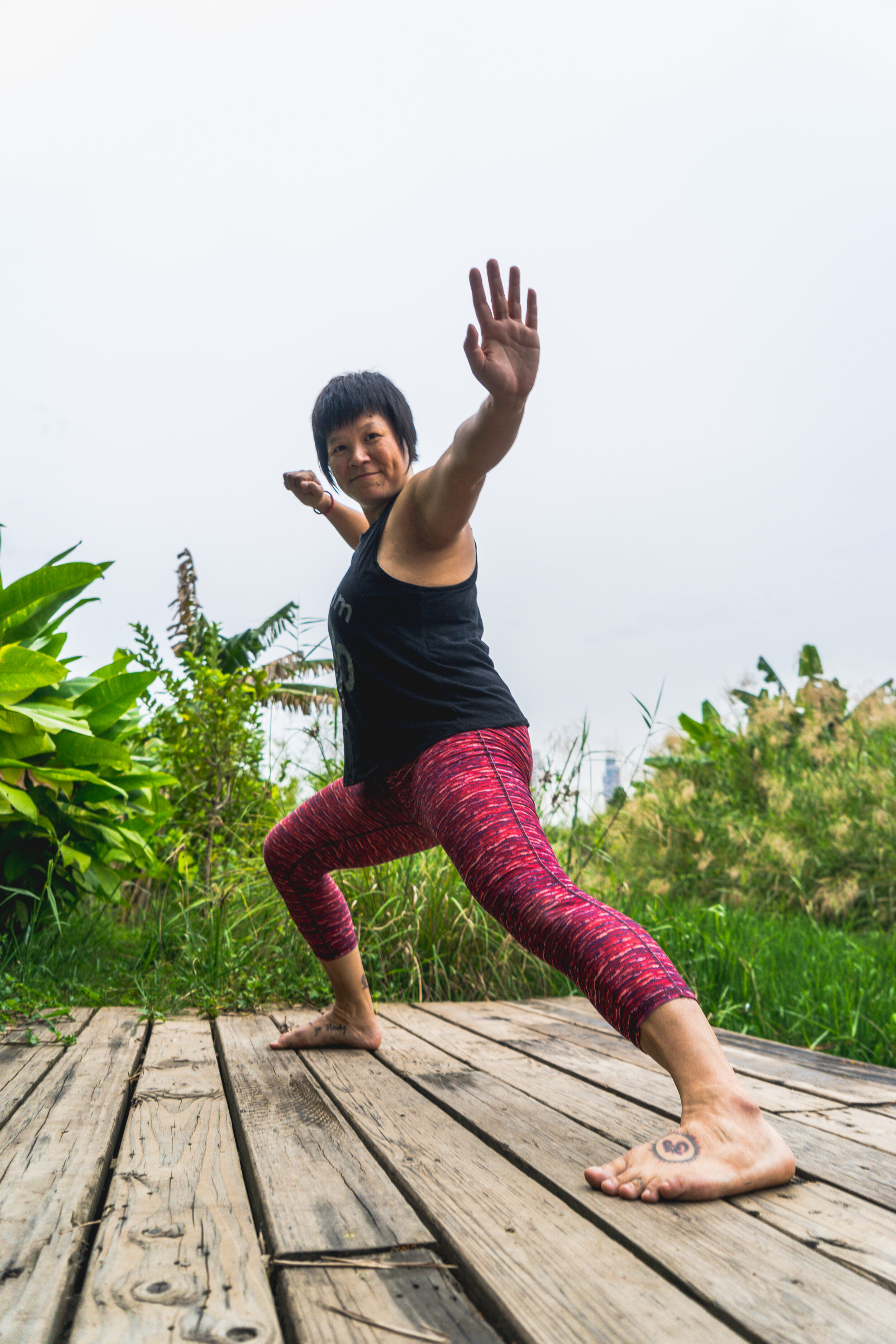
Hang’s path to Qi Gong began through more than 20 years of martial arts, movement and teaching. Her early years were spent training and competing in external martial arts, including Taekwondo, Brazilian Jiu-Jitsu, Judo, Kung Fu and Kali. After years of pushing her body — and accumulating injuries along the way — she began looking for a more sustainable way to cultivate strength, health and longevity.
That search led her to Qi Gong and Yang Tai Chi, first in Canada and later in southern China, where she spent two years from 2006–2008 deepening her study of the internal arts at the root school of Choy Li Fut.
Today, Hang’s work brings together traditional Qi Gong, Traditional Chinese Medicine (TCM), mindfulness and movement science. She is particularly interested in helping students understand the why behind the practice — how Qi moves through the body, how TCM views the relationship between the organs, emotions and energy, and how Qi Gong can help harmonize these patterns and bring the body-mind back towards balance.
Her ongoing studies include Five Element Acupressure, alongside years of exploration in anatomy, biomechanics, fascia, injury prevention and mindful movement.
A former engineer, school teacher, personal trainer and martial arts instructor, Hang brings an educator’s curiosity to everything she teaches. Her approach is practical, inclusive and down-to-earth: learn the movements, understand the principles, feel them in your own body, and discover how the practice can become part of everyday life.
Through saigon om, Hang now focuses primarily on Qi Gong education and Teacher Training Levels 1–4, supporting practitioners and wellness professionals who want to move beyond simply following Qi Gong movements towards a deeper understanding of the practice.
And when she’s not chasing after two rambunctious children, Hang can usually be found stealing little pockets of quiet to work on her first Qi Gong book — a project that, much like Qi Gong itself, is teaching her something about patience, persistence and going with the flow.